



















Fun Family Traditions That Don't Involve Screens
10/26/2026 12AM
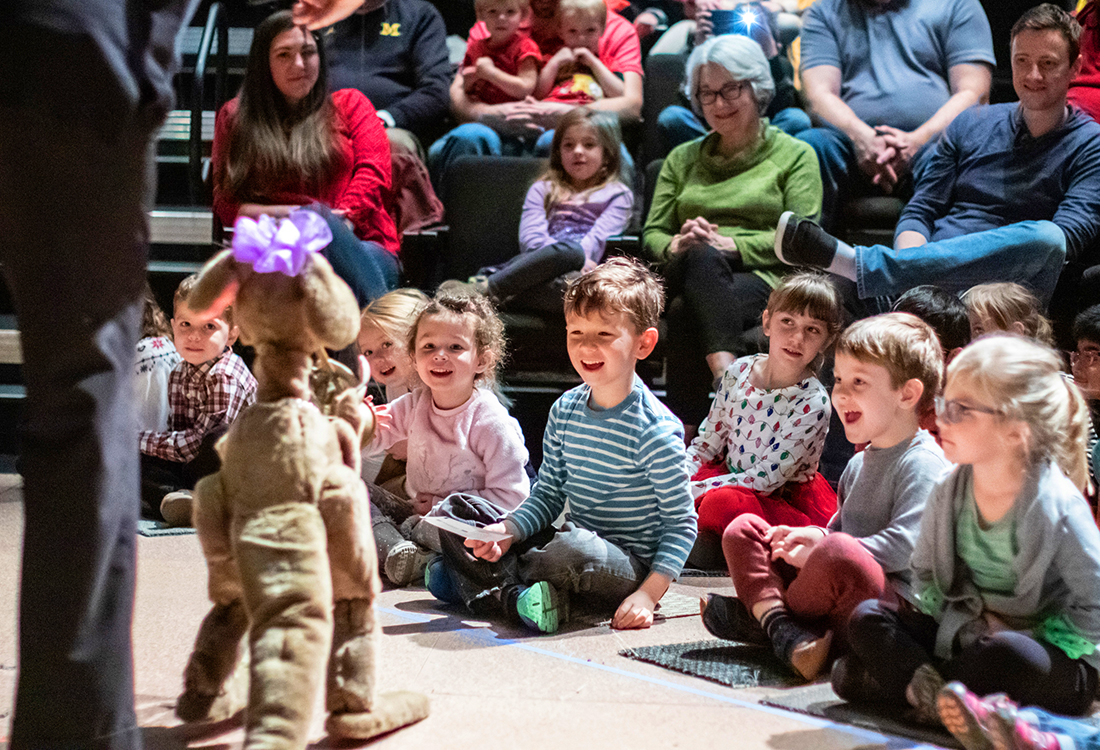
The annual visit by Melchior Marionettes' "Holiday Cabaret on Strings," part of the Peanut Butter & Jam event series at Allied Solutions Center, has become a holiday tradition for many local families.
Live Events Offer Seasonal Options to Engage in Real Life
Key Takeaways
- Family traditions give kids a sense of belonging, and they don't need to be elaborate or expensive to work.
- Children age 8 and younger average about 2.5 hours of screen time a day, so even one or two screen-free family traditions can change how your family spends its free time.
- Simple weekly rituals, such as a phone-free dinner or a family game night, are the easiest traditions to start and keep.
- Seasonal traditions, such as a live show each season, give kids something to look forward to all year.
- The traditions that last are the ones kids help choose, so ask for their ideas and keep the focus on fun.
Ask adults about their favorite childhood memories, and many will mention Saturday pancakes or the card game Grandpa always won. These family traditions are small, repeated moments that bring a family closer. The best ones usually happen with the screens off.
Below you'll find screen-free family traditions for every week and every season, plus practical tips for making a new tradition stick.
Why Screen-Free Family Traditions Matter
Screens have a way of filling every quiet minute. According to Common Sense Media's 2025 census of young children's media use, kids age 8 and younger spend about 2.5 hours a day with screens, and about one in five use a mobile device to get through mealtimes, calm down, or fall asleep.
The American Academy of Pediatrics recommends screen-free zones – such as the dinner table – and suggests swapping in reading, outdoor play, family games and hobbies so screens don't crowd out other experiences.
Screen-free traditions do that work for you. Once they're on the calendar, nobody has to argue about whether tonight is a screen night.
Weekly Family Traditions Your Kids Will Look Forward To
Here are some small family traditions you can incorporate into your week:
- Phone-free family dinner: Pick one or two nights a week when every device, including the grown-ups’ phones, goes into a basket by the door. The Family Dinner Project points to research linking regular family meals with better academic performance, higher self-esteem and a lower risk of depression in kids. Keep conversation rolling with one weekly question, like “What made you laugh this week?” Once a month, flip the script with breakfast for dinner, served in pajamas.
- Family game night: Rotate who picks the game so everyone gets a turn in charge. Preschoolers can handle simple matching or card games, while older kids might prefer a longer strategy game or a 1,000-piece puzzle that stays out on the table all week. Keep a scoreboard on the fridge and crown a new champion each month.
- Read-aloud night: Choose one chapter book for the whole family and read a chapter each night. Kids who can read take a turn, and the youngest gets to pick a snack that matches the story.
Seasonal and Yearly Traditions to Try
Bigger traditions give kids something to count down to. A few ideas:
- First-snow walk: The first time it snows, everyone bundles up for a walk around the block, then comes home to hot cocoa.
- Birthday interview: Ask each child the same 10 questions every birthday and save the answers in a notebook. Reading old answers aloud becomes its own tradition.
- New Year's letters: Write letters to one another on New Year's Day and open them a year later, an idea from Louis Children's Hospital.
- A show every season: Mark each season with a live performance, such as a fall concert, a winter puppet show or a spring dance recital.
That last one is well worth it. In a study published in Education Next, students randomly assigned to see live theater on school trips scored higher on measures of tolerance and social perspective-taking than students who didn't attend. Watching a movie version didn't produce the same gains.
For a bigger challenge, try Screen-Free Week, an event each May when families around the world take a break from entertainment screens.
How to Start a Family Tradition That Sticks
A few simple habits make a new tradition far more likely to last:
- Start small: One screen-free dinner a week beats an ambitious plan that falls apart by next month.
- Let your kids help choose: Children care more about a tradition they helped create. If your 7-year-old wants Friday to be "backwards day," go with it.
- Record what you do: Snap a photo or jot a note each time so kids can see how far back the tradition goes.
- Give it a catchy name: "Taco Tuesday" sticks in a way that "family dinner" never will.
Make Live Performance Part of Your Family Traditions
If you live in central Indiana, Allied Solutions Center for the Performing Arts in Carmel makes a screen-free tradition easy to start. Its Peanut Butter & Jam series, designed for kids ages 1-7, offers informal Saturday-morning concerts each month for $10 per child, with two adult admissions included in every order. This season's lineup includes a live-animal show with a real reindeer on Nov. 14 and a holiday marionette cabaret on Dec. 19.
Older kids and teens can find concerts, comedy and theater throughout the year. Browse upcoming tickets and events, and put your family's first show on the calendar.
Allied Solutions Center for the Performing Arts is a nonprofit organization that aims to engage and inspire the Indiana community through enriching arts experiences. We operate and program a multidisciplinary performing arts campus in Carmel, Indiana, that presents scores of events each year. We provide space and support services for six resident companies: Actors Theatre of Indiana, Carmel Symphony Orchestra, Central Indiana Dance Ensemble, Civic Theatre, Gregory Hancock Dance Theatre, and Indiana Wind Symphony. Explore our upcoming events and experiences, or support our work to expand access to the arts today!