








Sensory-Friendly Events
8/13/2026 12AM
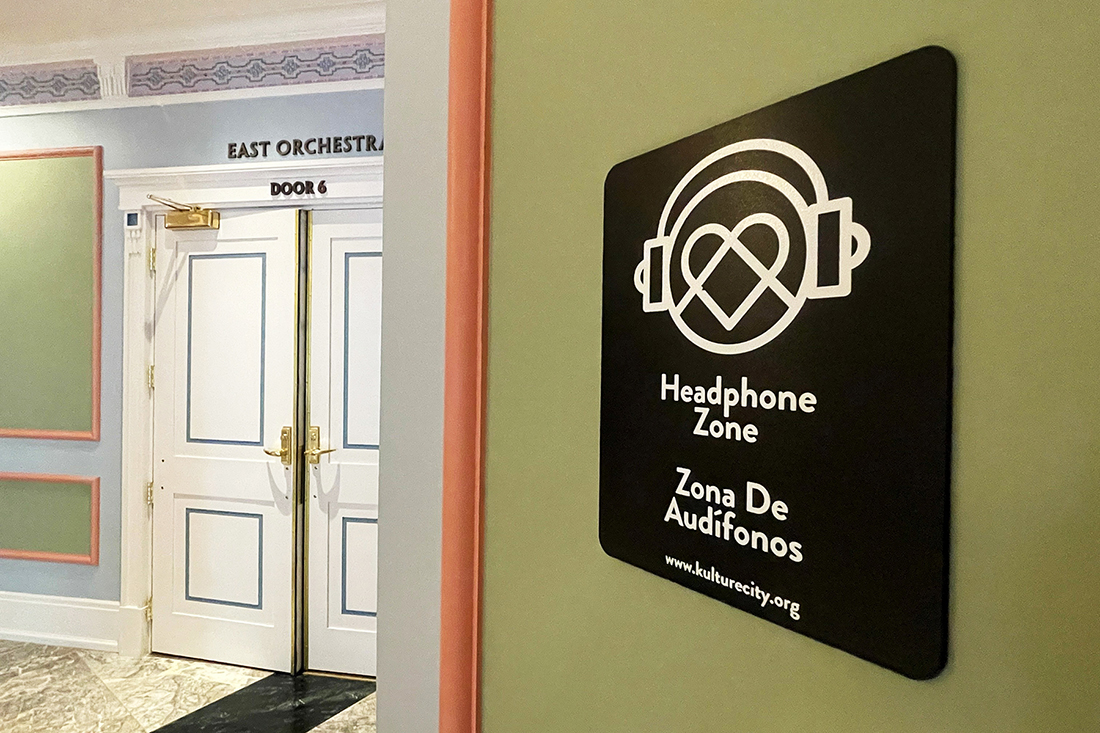
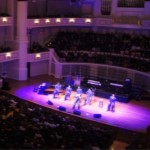
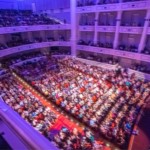
Signs in the Payne & Mencias Palladium warn patrons with sensitivites about the potential for loud sounds. Sensory bags containing ear protectors and other items are available in the West Salon coat check.
What They Are and Why They Matter
Key Takeaways
- A sensory-friendly performance is a live show adjusted for people with sensory sensitivities, usually through lower sound levels, softer lighting and relaxed house rules about movement and noise.
- These events are also called relaxed performances, autism-friendly performances, or sensory-inclusive events, and they serve patrons with autism, ADHD, PTSD, dementia and anxiety, plus young children and first-time theatergoers.
- Common accommodations include quiet rooms, sensory bags with noise-canceling headphones and fidget tools, house lights kept partially up, advance social stories, and trained staff on hand throughout the show.
- The potential audience is large: CDC data show more than 1 in 4 US adults report some type of disability, with cognitive disability the most common category.
- The Payne & Mencias Palladium at Allied Solutions Center for the Performing Arts is certified Sensory Inclusive by KultureCity, offering free sensory bags, weighted lap pads, and a designated Quiet Area.
- Most venues suggest that you request specific accommodations in advance, and many services can be arranged by calling or emailing the box office.
For many families, the barrier to seeing live performances has nothing to do with the price of a ticket. Instead, it’s the sudden brass fanfare, the blackout between scenes, or the unspoken expectation that everyone will sit still and silent for two hours.
Sensory-friendly performances exist to take down those barriers and make the performing arts accessible to all.
What Is a Sensory-Friendly Performance?
A sensory-friendly performance is a regular production with the environment modified rather than the art. The script stays intact, and the cast performs the same show, but the technical elements and the social rules around the room change.
The Boston Symphony Orchestra describes its sensory-friendly concerts as events designed for people of any age with autism or sensory sensitivity, with relaxed house rules that allow more audience movement and a judgment-free atmosphere. At New York's New Victory Theater, staff also warn audiences before loud moments and keep seating-area lights dimmed rather than fully dark.
You will see the same idea under different labels. Relaxed performance, autism-friendly theater and sensory-inclusive event are all terms that point to a similar experience.
Common Sensory-Friendly Accommodations
Accommodations vary by venue and production, but most sensory-friendly events include some mix of the following:
- Reduced volume, especially for percussive hits, gunshots and other startling effects
- House lights left at a low level instead of going to full black
- No strobes or sharply flashing lights
- Freedom to talk, stand, rock, hum, or step out and come back
- A staffed quiet area or cool-down room away from the main hall
- Sensory bags stocked with noise-canceling headphones, earplugs, sunglasses and fidget tools
- Social stories or visitor guides published ahead of time so patrons know exactly what to expect
- Front-of-house staff trained to recognize and support sensory needs
Why Sensory-Friendly Events Matter
More than 1 in 4 US adults report some type of disability, according to the CDC, and cognitive disability – meaning serious difficulty concentrating, remembering, or making decisions – is the most common category. Add autistic patrons of every age, people with sensory processing differences, veterans with PTSD, and patrons living with dementia, and the audience is substantial.
There’s a ripple effect, too. When one family member cannot comfortably attend, the whole family stays home. Accessible performances and events open a lot of doors.
The gap that inaccessible performing arts events create is measurable. National Endowment for the Arts research found that American adults with disabilities attended live performances at a rate of 23.3%, well below the 37.3% rate for adults overall. That difference is millions of empty seats.
Apart from enabling more people to engage with the arts, relaxed performances can also benefit other audience members, including people with anxiety, young children, people with ADHD, and first-time theater-goers.
Accessibility at Allied Solutions Center for the Performing Arts
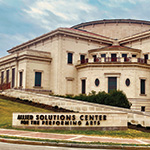
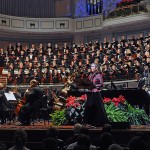
Allied Solutions Center for the Performing Arts in Carmel, Indiana, believes that the arts are for everyone. Allied Solutions Center and the affiliated Great American Songbook Foundation strive to be models and leaders in the community by creating a welcoming, affirming and inclusive environment in which all employees, patrons and other visitors feel safe, supported, respected and valued.
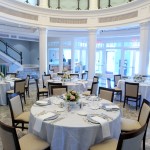
That shows up in practice. The Payne & Mencias Palladium is certified Sensory Inclusive by KultureCity. Sensory bags and weighted lap pads are available at the West Salon coat check, and the Basile Conference Room near the East Lobby serves as a designated Quiet Area with a mobile sensory station.
The campus also offers American Sign Language (ASL) interpretation with two weeks' notice, free assistive-listening devices, Auracast Bluetooth streaming at the Palladium, courtesy wheelchairs, complimentary companion seating, and accessible parking along Carter Green. Learn more about accessibility at Allied Solutions Center for the Performing Arts here, or reach our team at 317.843.3800 or Accessibility@TheCenterPresents.org.
Plan Your Next Visit
Three venues, six resident companies, and hundreds of events a year mean there is usually something worth the drive. Browse our upcoming performances and events, then call ahead with your access questions.
Allied Solutions Center for the Performing Arts is a nonprofit organization that aims to engage and inspire the Indiana community through enriching arts experiences. We are responsible for the operation and programming of a multidisciplinary performing arts campus in Carmel, Indiana, that presents scores of events each year and provides space and support services for six resident companies: Actors Theatre of Indiana, Carmel Symphony Orchestra, Central Indiana Dance Ensemble, Civic Theatre, Gregory Hancock Dance Theatre, and Indiana Wind Symphony. Explore our upcoming events and experiences, or support our work and the expansion of the arts today!