














How to Get Started in Stand-Up Comedy
6/8/2026 12AM
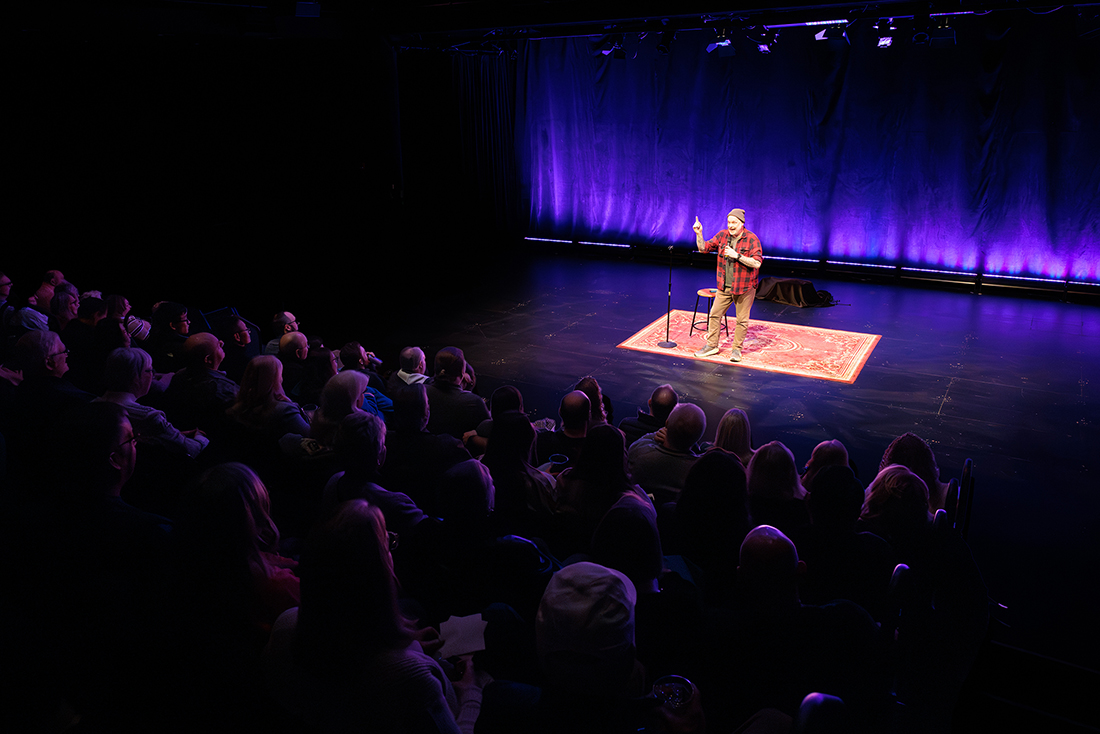
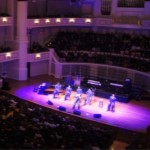
A student performs in the graduation show for a Stand-Up Comedy class in February at Allied Solutions Center.
Convenient classes offer history, tips for beginners
Key Takeaways
- You don't need to feel ready to start. Confidence and skill grow from practice.
- Start by writing what you know. The strongest stand-up material comes from personal experience, specific observations, and honest points of view that audiences can relate to.
- Every joke has a structure. At its core, a stand-up joke consists of a setup (the premise) and a punchline (the surprise).
- Open mics are your classroom. Attending and eventually performing at open mic nights is one of the fastest ways to develop material, read a crowd, and build stage confidence.
- A structured class accelerates everything. Guided instruction, peer feedback, and a real performance at the end give beginners a huge head start over going it alone.
- Allied Solutions Center for the Performing Arts offers beginner stand-up comedy classes in Carmel, Indiana, where students write, workshop and perform a five-minute routine under the guidance of a professional comedian.
You've laughed at comedians and thought: I could do that! Maybe your friends say you're the funniest person in the room. Maybe you've been rolling the idea around for years, waiting for the right moment to finally try it. That moment is now.
Stand-up comedy is one of the most rewarding creative pursuits out there, and it's far more accessible than most people assume. You don't need a comedy pedigree, a perfect set of jokes or even ironclad confidence. You just need a starting point. Here's how to find yours.
Why Try Stand-Up Comedy?
Stand-up comedy is extremely laid back at its core. When you remove the paralyzing fear of no one laughing, you realize it's essentially just telling a story to a group of friends. That informal dynamic is what makes it such a surprisingly effective vehicle for personal growth.
The benefits of stand-up comedy might be broader than you realize. You’ll improve:
- Public speaking: Stand-up comedy fosters confidence, enhances storytelling, and teaches the art of audience engagement; all of these skills are core components of effective public speaking. Whether you're pitching to clients, presenting at a board meeting, or giving a toast at a wedding, that stage time translates.
- Self-confidence: Learning stand-up comedy can boost your self-confidence by helping you feel more at ease speaking in front of people and thinking on your feet.
- Creativity: Writing jokes forces you to look at ordinary situations from unexpected angles – a habit of mind that benefits writers, marketers, teachers, managers and really anyone who communicates for a living.
- Resilience: Not every joke lands, and learning to move past that gracefully is one of the more underrated life skills that comedy teaches.
How to Do Stand-Up Comedy
Start Writing Now
The first step is simply putting pen to paper. The best material comes directly from personal experience – annoyances, contradictions, embarrassing moments, things you've noticed that nobody seems to talk about. Don't filter yourself at this stage. Quantity beats quality in early drafts, so keep a notes app handy and capture ideas the moment they strike.
Learn How Jokes Work
At its core, every joke has a setup and a punchline. The setup gives the audience a familiar frame; the punchline flips it with a surprise. From there, bits build in transitions (conversational bridges between jokes), jab lines (smaller laughs within a longer story), and a closer (a strong final joke that sends the audience out on a high note). As you’re learning joke writing, remember to avoid over-explaining; trust your audience to keep up.
Study the Greats
Watch specials from comedians whose styles resonate with you, and compare their early work to their later performances to see how their voices developed. Pay attention not just to what makes you laugh, but why. Notice pacing, silence, setup length and recovery when a joke doesn't land. Sitting in a comedy club audience before you ever take the stage is one of the best preparatory moves a new comic can make.
Hit Your First Open Mic
Open mics are designed for newbies and untested material. The room is forgiving, and everyone there started exactly where you are. Watch a few to calm your nerves before you perform, then sign up for a short, tight set of three to five minutes. After each show, ask yourself which jokes got a reaction and which fell flat.
Take a Stand-Up Comedy Class
A structured class gives you something open mics can't: a framework, an experienced guide and a community of people working toward the same goal. Allied Solutions Center for the Performing Arts in Carmel, Indiana, offers two options for adults at any experience level:
- Intro to Stand-Up Comedy: This class covers the history of stand-up, joke mechanics, and performance theory. Students write and practice a five-minute routine and perform it for friends and family at a graduation show.
- Stand-Up Comedy Practicum: For students ready to go deeper, this course includes classroom critiques, guest lecturers who are working comedians, weekly open mic appearances, and a graduation show at Allied Solutions Center's Studio Theater.
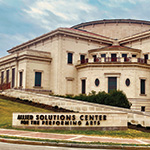
Beyond comedy, Allied Solutions Center for the Performing Arts is a world-class performing arts campus that hosts hundreds of events each year. Explore other classes and check out upcoming events and performances.
A Few Final Tips for New Comedians
- Record yourself: Even a voice memo of you running your set out loud will reveal pacing issues and awkward transitions you'd never catch on paper.
- Write every day: Even five minutes of free-writing about something that annoyed or amused you keeps the creative muscle warm.
- Don't steal jokes: It should go without saying, but originality is both an ethical obligation and what makes you you on stage.
- Embrace bombing: Every working comedian has bombed, many of them spectacularly. New comedians don't need certainty. They need momentum. A rough set is just data, not a verdict.
Ready to give stand-up a try? Explore stand-up comedy classes at Allied Solutions Center for the Performing Arts and sign up for the next session.
Allied Solutions Center for the Performing Arts is a nonprofit organization that aims to engage and inspire the Indiana community through enriching arts experiences. We are responsible for the operation and programming of a multidisciplinary performing arts campus in Carmel, Indiana, that presents scores of events each year and provides space and support services for six resident companies: Actors Theatre of Indiana, Carmel Symphony Orchestra, Central Indiana Dance Ensemble, Civic Theatre, Gregory Hancock Dance Theatre, and Indiana Wind Symphony. Explore our upcoming events and experiences, or support our work and the expansion of the arts today!