















What to Expect at a Live Concert
4/2/2026 12AM
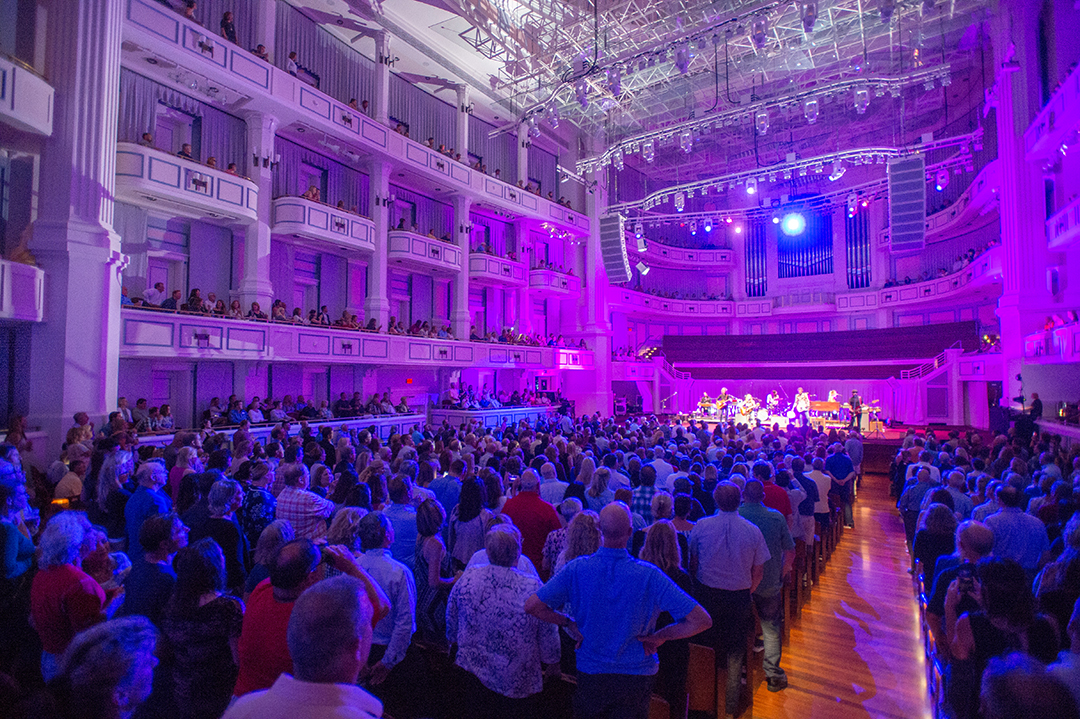
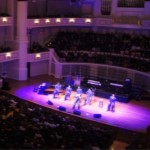
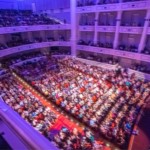
The 1,500-seat Payne & Mencias Palladium in Carmel, Indiana, is an intimate and elegant concert setting that often draws praise from the artists on stage | photo by D. Todd Moore.
A Beginner’s Guide to an Exciting Experience
Going to your first concert is exciting – and maybe a little intimidating, too. Do you show up early? Can you bring a bag? When do you clap? What if everyone stands and you can’t see a thing?
Here’s the good news: Most concerts are designed for regular people who are just there to have a great night. A little preparation helps you feel confident, comfortable and present for the music.
Let’s walk through the live concert experience and make sure you know how to get ready for a concert.
Before You Go: Tickets, Timing and Other Concert Prep
Start with the basics: Buy tickets from the venue’s official ticketing source (or a trusted partner) so you’re not stuck with invalid tickets, surprise fees or the wrong seat. Many venues also spell out important rules and policies online (about entry, weather, refunds and more), so it’s a good idea to explore the website and check FAQs before you leave home.
Plan to arrive earlier than you think you should. Parking, security lines and finding your seat can take time, and it’s always more comfortable to settle in without rushing.
A note on clothing: What to wear to a concert depends more on comfort than fashion. Wear shoes you can stand in, bring a light layer (venues can run cold) and choose pockets or a small bag that’s easy to manage. Bag policies vary by venue, but many performing arts centers and arenas have moved to smaller or clear-bag rules to speed up security. If you’re unsure, check the venue’s info so you don’t have to walk a bag back to the car.
What Happens When You Arrive at a Concert
Most venues follow a similar flow:
- Ticket scan (digital or printed)
- Security screening (metal detectors, bag check, etc.)
- Ushers and signage to help you find your seat or section
- Preshow time for restrooms, drinks, merch and socializing
The Concert Itself: Set Times, Openers and Encores
A common beginner question is: When does the main artist actually start?
Often, there’s an opening act (or two) first. Openers are shorter sets meant to warm up the crowd and introduce you to new music. The headliner usually performs the longest set and may take a brief break before returning for an encore – the extra songs at the end that happen after the crowd cheers.
If you’re seated, you’ll notice different microcultures depending on the genre. A classical or jazz concert may feel more formal and quieter between pieces. A pop, rock or country show may involve standing, singing along and a lot more movement.
Concert Etiquette: Unspoken Rules of Behavior
You don’t need to memorize a list of rules, but these habits will make you a great audience member:
- Keep conversations short once the music starts. Save the catch-up for intermission or after the show.
- Be mindful of your phone. A quick photo is usually OK, depending on the artist. A glowing screen held high for a whole song is less charming for everyone behind you.
- Respect personal space. In general admission, expect tighter spacing. In seated shows, try not to lean or sway into your neighbor’s seat area.
- Applaud with the crowd. If you’re not sure when to clap, follow the room.
Tips That Make the Whole Night Smoother
A few small choices can level up your first concert:
- Pick your spot wisely in general admission. Closer isn’t always better if you want breathing room and a full view.
- Know your seat and section. Take a screenshot of your ticket in case service is spotty.
- Hydrate before and during the show. It matters even more if you’ll be standing, dancing or singing along.
- Eat beforehand. Venue lines can be long, and you don’t want to miss songs.
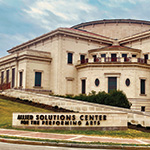
Catch Your Next Show at Allied Solutions Center for the Performing Arts
If you’re ready to put this guide into practice, check out upcoming concerts and live events at Allied Solutions Center for the Performing Arts, where you can find performances across genres and plan a night out that fits your style. Allied Solutions Center also offers options such as series subscriptions and special ticket offers that can make attending concerts even more accessible.
Book your first (or next) concert experience today!
Allied Solutions Center for the Performing Arts is a nonprofit organization that aims to engage and inspire the Indiana community through enriching arts experiences. The Center is responsible for the operation and programming of a multidisciplinary performing arts campus in Carmel, Indiana, that presents scores of events each year and provides space and support services for six resident companies: Actors Theatre of Indiana, Carmel Symphony Orchestra, Central Indiana Dance Ensemble, Civic Theatre, Gregory Hancock Dance Theatre, and Indiana Wind Symphony. Explore our upcoming events and experiences, or support our work and the expansion of the arts today!